
Anxiety is one of the most common mental health challenges people face today. Whether it’s persistent worry, physical tension, or racing thoughts, anxiety can make everyday life feel overwhelming. But here’s the truth we often forget: anxiety doesn’t need to disappear completely for us to live meaningful, fulfilling lives.
The goal isn’t to eliminate anxiety. It’s to change how we relate to it.
At Martin Therapy Group, we often hear clients say, “I just want my anxiety to go away.” While that’s an understandable desire, it’s not always realistic—or even necessary. In fact, anxiety is a natural part of being human. It alerts us to danger, helps us prepare for challenges, and motivates us to take action. The problem arises when anxiety becomes chronic, paralyzing, or disproportionate to the situation at hand.
Instead of chasing a life without anxiety, what if we learned to manage it more skillfully?
Mindfulness: A Research-Backed Tool for Anxiety Management
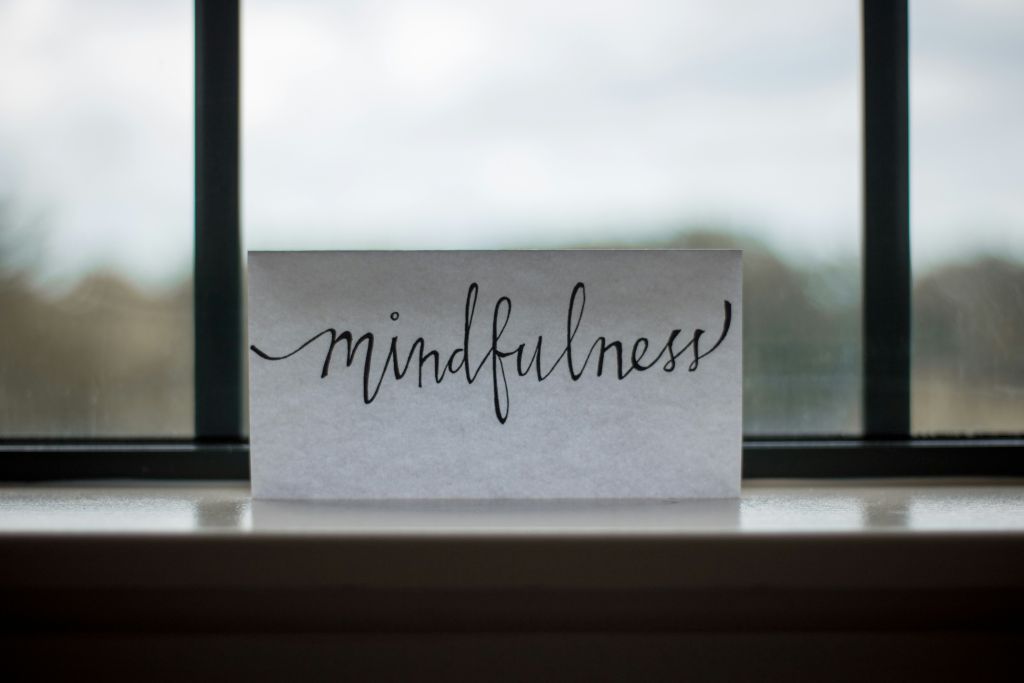
One of the most effective tools for managing anxiety is mindfulness. Rooted in ancient meditation practices and backed by modern neuroscience, mindfulness helps us stay present and grounded, even when anxiety shows up.
Mindfulness is the practice of paying attention—on purpose, in the present moment, and without judgment. When we’re mindful, we learn to observe our thoughts and emotions rather than becoming entangled in them. This creates space to respond, rather than react.
Here’s how mindfulness helps manage anxiety:
- Interrupts the worry cycle:
Anxiety often thrives in the future—imagining what might go wrong. Mindfulness anchors us to the present, helping break the cycle of “what if” thinking. - Reduces physical symptoms:
Studies show that mindfulness practices like breath awareness and body scans can reduce heart rate, muscle tension, and cortisol levels—all of which are elevated in anxious states. - Improves emotional regulation:
When we practice observing our emotions without judgment, we become less reactive. Over time, this increases our capacity to tolerate distress and return to baseline more quickly. - Enhances self-compassion:
Mindfulness encourages a gentler inner voice. Instead of criticizing ourselves for feeling anxious, we can learn to treat ourselves with the same kindness we would offer a friend.
Simple Mindfulness Practices to Get Started
Mindfulness doesn’t require special equipment, a silent retreat, or hours of free time. Here are a few practices you can try today:
- Box breathing: Inhale for 4 counts, hold for 4, exhale for 4, hold again for 4. Repeat for several rounds to calm the nervous system.
- 5-4-3-2-1 grounding exercise: Name 5 things you see, 4 things you feel, 3 things you hear, 2 things you smell, and 1 thing you taste. This sensory check-in helps pull you out of anxious spiraling.
- Mindful walking: Take a short walk and pay close attention to each step, the sensations in your body, and your surroundings.
Therapy + Mindfulness = Long-Term Anxiety Support
While mindfulness is a powerful tool, it’s even more effective when combined with therapy. Working with a trained therapist allows you to explore the root causes of your anxiety, learn tailored coping skills, and receive compassionate support as you grow.
At Martin Therapy Group, we specialize in helping clients develop healthy, lasting strategies for anxiety management—including incorporating mindfulness into daily life. Whether you’re struggling with generalized anxiety, panic attacks, or situational stress, we’re here to help.
You don’t have to wait until your anxiety disappears to feel better. You can start living more fully now—with mindfulness as your ally.
